

Aerogel is an ultralight material with a nanoporous structure that provides superior thermal and acoustic insulation where traditional materials fall short.
At Flexicel, we supply it as AG-650 flexible blankets, available in various thicknesses and configurations, with options for finishes, laminates, and adhesives for quick installation both on-site and on the production line.
Flexicel AG-650 combines the efficiency of aerogel with a durable, hydrophobic formulation that remains stable from –200°C to +650°C, making it a unique solution for extreme environments.
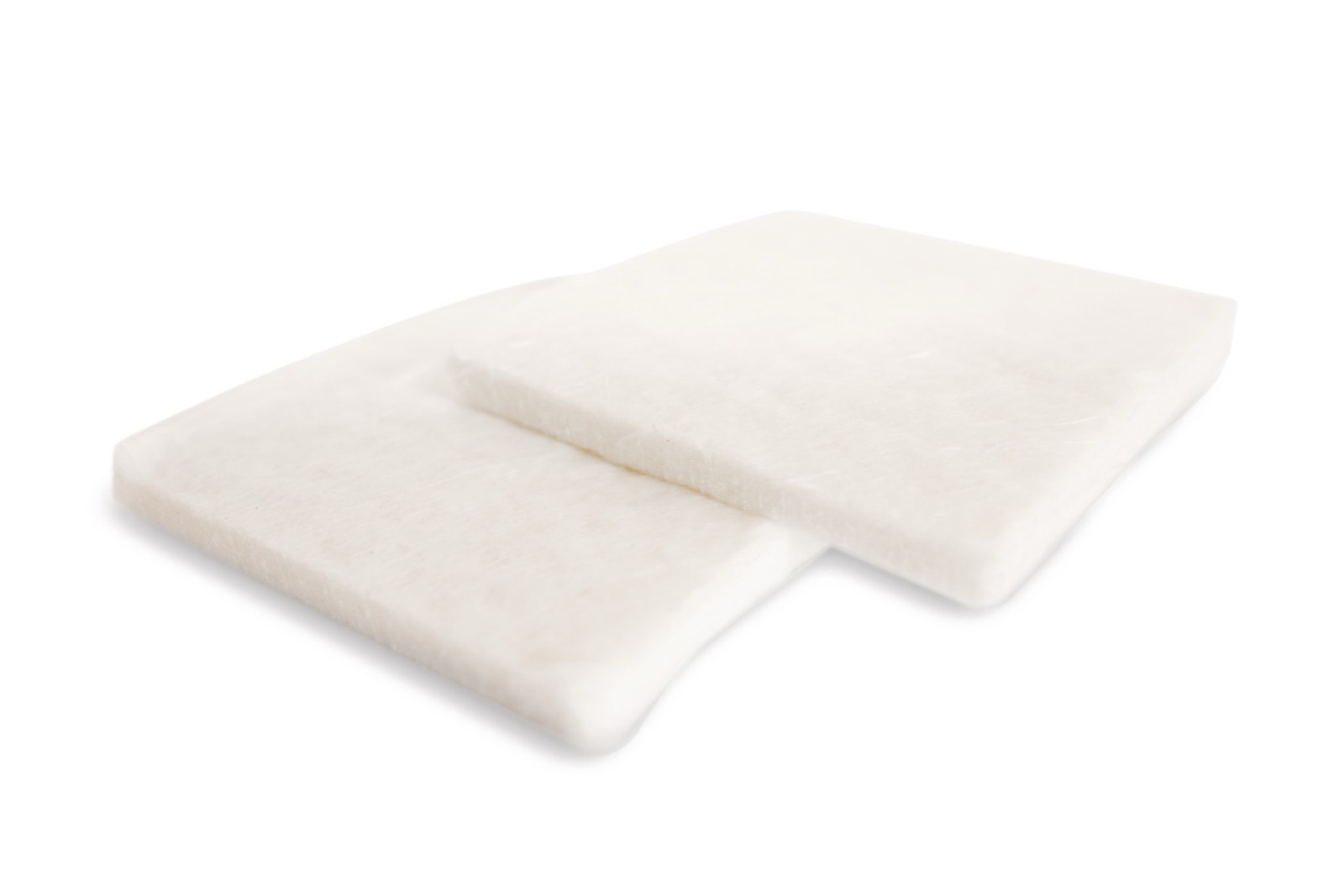
Why aerogel?
- Maximum insulation per thickness: reduces transfer by conduction, convection and radiation.
- Extreme lightness: improves efficiency in transport and elevated installations.
- Stable performance at high/low temperatures and demanding environments.
- Easy integration: clean cuts, small bend radii, and optional self-adhesive.
Where it makes the difference
- High-temperature processes and complex layouts.
- Cryogenics / low temperature: LNG and liquefied gas lines.
- Transport (e.g., rail): thermal insulation and acoustic control in low thickness.
- Technical building: thermal bridges, thin envelopes, retrofitting.
Comparison with common materials
- Vs. mineral wools: better performance per thickness and lower weight.
- Vs. elastomers/technical foams: superior λ and temperature range in extreme scenarios.
- Vs. conventional multi-layer: simplifies the system and reduces weak points.
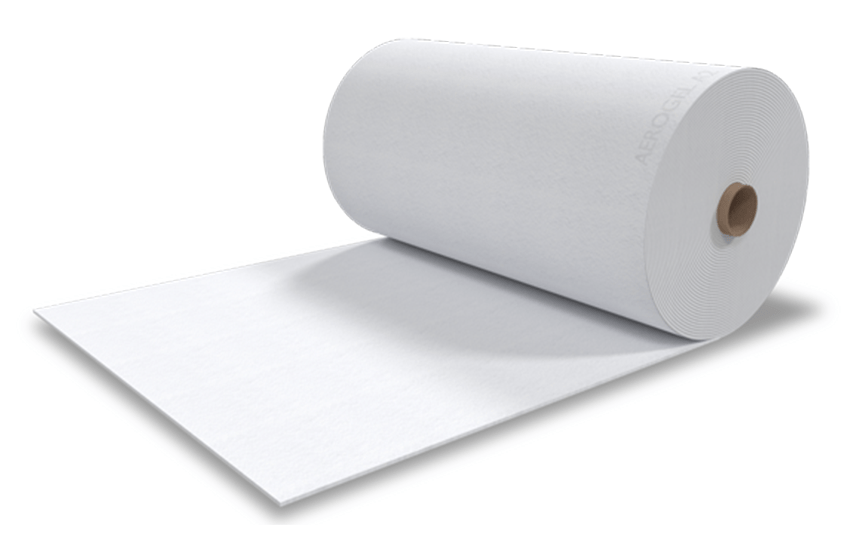
Use cases
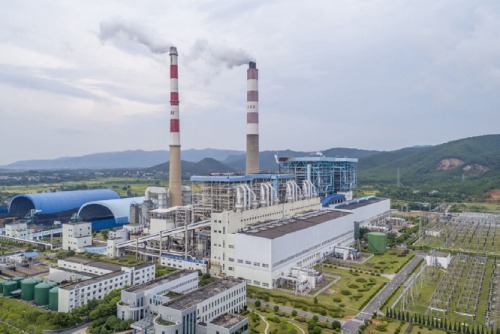
- Insulation of pipelines in petrochemical, nuclear, and hydrogen plants.
- Insulation of tanks, heat exchangers, and piping in cryogenic plants.
- Thermal protection for railway equipment and passenger transport.
- Insulation for cabins, metal enclosures, and sensitive machinery.
- Industrialized construction and structures where available space is minimal.
- Insulation of electronic housings or components requiring dielectric strength (18 kV/cm).
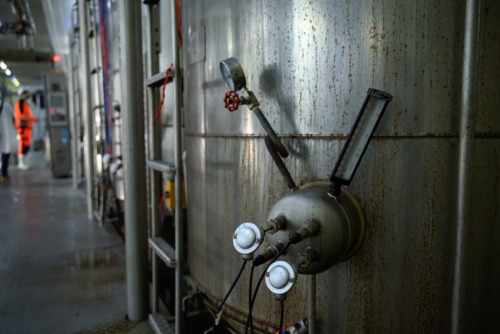
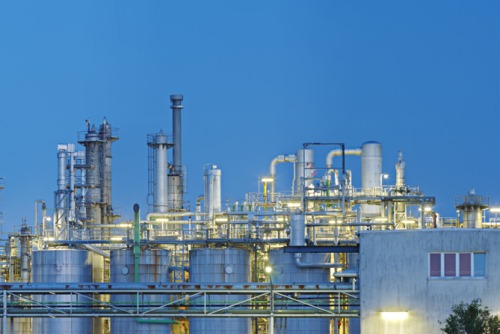
High-temperature industrial processes
Ovens, boilers, complex layouts, areas with limited space for insulation.
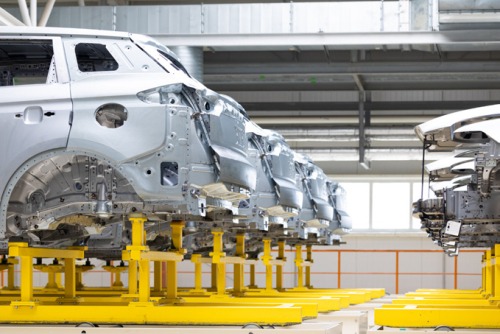
Transportation (rail, maritime, automotive)
Thermal and acoustic insulation with minimal thickness.
Building Services
Thermal bridges, thin facades, energy retrofits, and sectors requiring Class A2 or low water absorption.
Aeronautics, defense, and advanced manufacturing
Lightweight + heat resistance + low smoke toxicity (R1 HL3)
In composite sheet form, AG-650 acts as a flexible and durable insulator, suitable for construction and industrial applications.
Yes. We offer versions with laminates, technical foils, and PSA for quick installation or OEM applications.
We define:
- Target conductivity (λ)
- Temperature range
- Thickness (3, 5, or 10 mm)
- Finishes / laminates / adhesives
and validate them through prototyping or in-line testing.


